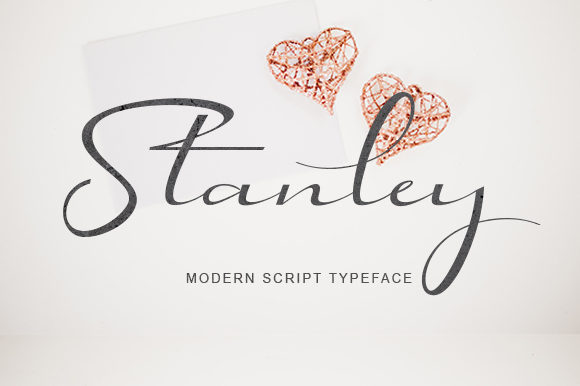
Stanley Script: A Classy, Elegant, and Modern Font for Creative Projects
Stanley Script is a beautiful script font that has captured the attention of designers, marketers, and creatives around the world. With its classy, elegant, and modern look, it can elevate any creative idea from ordinary to extraordinary. Whether you're designing a logo, crafting a wedding invitation, or creating a brand identity, Stanley Script adds a touch of sophistication that stands out in today's fast-paced digital landscape.
However, while Stanley Script offers incredible potential, many people overlook important details when choosing, using, or applying this font. These oversights can affect the final outcome of your design, leading to less-than-ideal results. In this article, we’ll explore common mistakes and provide practical advice on how to avoid them, ensuring that you get the most out of Stanley Script.
What Is Stanley Script?
Stanley Script is a beautifully crafted script font designed to convey elegance and refinement. It features flowing curves, consistent stroke widths, and an overall clean aesthetic that makes it suitable for both traditional and digital media. Its versatility allows it to be used across various platforms, including print, web, and graphic design.
This font is especially popular among professionals who need a font that balances style with readability. It’s often chosen for branding materials, social media posts, and editorial designs where a touch of class is needed without sacrificing clarity.
Common Mistakes When Using Stanley Script
While Stanley Script is a fantastic choice, there are several common mistakes that users make when incorporating it into their projects. Understanding these pitfalls can help you avoid them and ensure that your designs look professional and polished.
Mistake 1: Overusing the Font
One of the most frequent errors is using Stanley Script excessively in a single design. While the font is visually appealing, overusing it can lead to clutter and reduce readability. This is especially problematic in long-form text, such as body copy on a website or brochure.
Better Approach: Use Stanley Script sparingly for headings, titles, or short phrases. Reserve it for elements where its elegance will have the most impact. For body text, opt for a more legible sans-serif or serif font.
Mistake 2: Not Checking Licensing Agreements
Many creators fail to review the licensing agreement before downloading or purchasing Stanley Script. Some fonts come with restrictions on commercial use, redistribution, or even embedding in websites. Ignoring these terms can lead to legal issues down the line.
Tip: Always read the license carefully before using any font, especially if you're planning to use it for commercial purposes. If you're unsure, contact the font provider or consult a legal expert.
Mistake 3: Poor Pairing with Other Fonts
Pairing Stanley Script with other fonts requires care. Choosing a complementary font that contrasts well without clashing is essential for a cohesive design. Using fonts that are too similar in style or weight can create visual confusion.
Example: Pairing Stanley Script with a bold sans-serif like Montserrat or Helvetica can create a striking contrast that draws attention to key elements. Avoid pairing it with another script font unless you're going for a specific stylistic effect.
How to Choose the Right Version of Stanley Script
Stanley Script may come in different versions, each with unique characteristics. Before making a purchase or download, take time to evaluate which version best suits your needs.
Some versions may include additional weights, alternate characters, or language support. Others might offer better compatibility with certain software or platforms. Be sure to check the specifications and reviews of each version before committing to one.
Additionally, consider whether you need access to the font on multiple devices or if you require web embedding capabilities. These factors can influence your decision and ensure that you get the most value for your investment.
Best Practices for Using Stanley Script
To maximize the benefits of Stanley Script, follow these best practices:
- Use it for headings: Stanley Script works exceptionally well for headlines, titles, and call-out boxes. Its elegance commands attention and adds a premium feel to your content.
- Ensure proper spacing: Script fonts can sometimes appear cramped if not spaced correctly. Adjust letter spacing and line height to maintain readability and visual appeal.
- Test on different backgrounds: The appearance of Stanley Script can vary depending on the background color or texture. Test it on white, dark, and colored backgrounds to see how it performs in different contexts.
- Limit to short text: As mentioned earlier, avoid using Stanley Script for long paragraphs. Keep it to short phrases or sentences to maintain clarity and avoid overwhelming the reader.
Final Thoughts
Stanley Script is a powerful tool that can enhance your creative projects with its elegant and modern design. However, success with this font depends on thoughtful usage, careful selection, and awareness of common mistakes.
By avoiding overuse, checking licensing agreements, and pairing it wisely with other fonts, you can ensure that your designs stand out in a positive way. Remember, the goal is to use Stanley Script to elevate your message, not distract from it.
Take the time to understand the nuances of this font, and you'll find that it becomes a valuable asset in your creative toolkit. Whether you're a beginner or a seasoned designer, Stanley Script offers something special that can help you achieve your goals with style and confidence.