Kenzo Script: A Versatile Handwritten Font for Design Projects
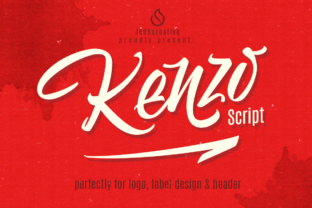
Kenzo Script is a handwritten font that stands out for its elegant, organic feel and extensive glyph set. Designed to mimic the natural flow of handwriting, it offers a unique blend of creativity and readability. With over 490 glyphs and 267 alternates, Kenzo Script provides designers with a wide range of typographic options to suit various creative needs.
Understanding the Features of Kenzo Script
The defining feature of Kenzo Script is its extensive character set. This includes not only standard letters but also a variety of stylistic alternates, ligatures, and special characters. These elements allow for greater flexibility in design, making it possible to create visually engaging text without sacrificing legibility.
Another notable aspect of Kenzo Script is its clean, flowing lines. Unlike some other script fonts that can appear too ornate or difficult to read, Kenzo Script maintains a balance between style and clarity. This makes it suitable for both decorative and functional use cases.
Key Characteristics
- Handwritten Style: Mimics natural pen strokes, giving text a personal and artistic touch.
- Extensive Glyph Set: Over 490 glyphs and 267 alternates provide numerous typographic variations.
- Readability: Despite its script appearance, it remains easy to read in most contexts.
- Versatility: Works well across a range of design applications, from logos to web content.
Comparing Kenzo Script with Similar Fonts
When evaluating Kenzo Script against other script fonts, it's important to consider factors like style, usability, and versatility. While many script fonts are highly stylized, they may not always be practical for extended reading or professional use. Kenzo Script bridges this gap by offering a more refined and readable alternative.
Fonts like Brush Script MT and Lucida Calligraphy are popular choices for script typography. However, these fonts often lack the same level of detail and variation found in Kenzo Script. For instance, Kenzo Script includes a broader range of alternates, allowing for more customization in design projects.
In comparison to sans-serif and serif fonts, Kenzo Script brings a unique personality to any project. It is particularly well-suited for branding, invitations, and digital content where a more personal tone is desired. However, it may not be the best choice for body text in long-form documents due to its script nature.
Best-Fit Situations for Kenzo Script
Kenzo Script shines in situations where a handwritten, artistic feel is needed. Some common use cases include:
- Branding and Logos: The font’s unique style can help create a memorable brand identity.
- Invitations and Cards: Ideal for wedding invitations, birthday cards, and other personal communications.
- Web Content: Can be used for headlines, call-to-action buttons, or section titles on websites.
- Print Media: Suitable for magazine covers, book titles, and promotional materials.
Despite its versatility, there are certain scenarios where Kenzo Script may not be the optimal choice. For example, it might not be ideal for large blocks of text due to its script characteristics. In such cases, pairing it with a more traditional font for body text could be a better approach.
Strengths and Tradeoffs
One of the main strengths of Kenzo Script is its ability to convey a sense of authenticity and creativity. Its handwritten look can add warmth and personality to any design. Additionally, the availability of multiple alternates allows for greater customization, enabling designers to tailor the font to their specific needs.
However, there are also tradeoffs to consider. The font’s script nature means it may not be as universally readable as more conventional fonts. This could be a limitation in contexts where clarity is paramount, such as in academic or technical writing.
Another consideration is the learning curve associated with using a script font. Designers may need to spend additional time adjusting spacing, kerning, and line height to ensure optimal readability and visual appeal.
Evaluating Alternatives and Decision Factors
When choosing a font, it’s essential to evaluate alternatives based on the specific requirements of the project. For those looking for a similar script font with a slightly different aesthetic, options like Lato or Raleway offer a more modern and minimalist approach. However, these fonts lack the handwritten quality that makes Kenzo Script so distinctive.
For users who require a more formal or professional look, serif fonts like Times New Roman or Garamond may be more appropriate. On the other hand, if the goal is to add a touch of elegance and uniqueness, Kenzo Script can be an excellent choice.
Ultimately, the decision to use Kenzo Script depends on several factors, including the intended audience, the context of use, and the overall design goals. It is important to weigh these considerations carefully before making a final choice.
Practical Examples and Use Cases
To illustrate how Kenzo Script can be effectively used, consider the following examples:
- Brand Identity: A boutique clothing store might use Kenzo Script for its logo and marketing materials to create a warm, inviting atmosphere.
- Event Invitations: A wedding planner could incorporate Kenzo Script into invitations to give them a personal and elegant touch.
- Website Design: A blog or portfolio site could use Kenzo Script for headlines and subheadings to add visual interest and character.
- Product Packaging: A handmade soap company might use Kenzo Script on product labels to emphasize the artisanal nature of their goods.
These examples demonstrate how Kenzo Script can be adapted to different contexts while maintaining its core aesthetic and functionality.
While Kenzo Script is a powerful tool for designers, it is important to recognize when it may not be the best fit. In cases where readability is a priority, or where a more formal tone is required, other fonts may be more appropriate. By carefully considering the strengths and limitations of Kenzo Script, designers can make informed decisions that align with their creative goals and project requirements.