Eshtin Script: A Strategic Tool for Modern Communication and Branding
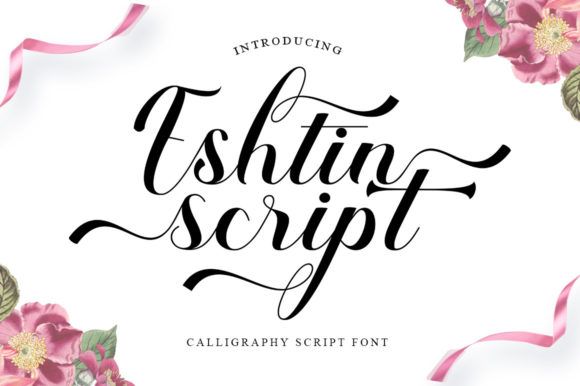
Eshtin Script is more than just a font—it's a strategic asset that can elevate the visual impact of your communication, branding, and creative projects. Designed with an elegant script style that blends timeless calligraphy with contemporary aesthetics, Eshtin Script offers a unique opportunity to convey sophistication, professionalism, and creativity in your work. Its PUA encoding ensures seamless access to glyphs and swashes, making it a versatile choice for designers, marketers, and content creators looking to stand out in a crowded digital landscape.
Whether you're crafting marketing materials, designing logos, or creating content for social media, Eshtin Script can help you achieve a polished look that resonates with your audience. However, like any design tool, its effectiveness depends on how strategically it is used. This article explores how to leverage Eshtin Script intentionally, when to apply it, and what considerations are essential before relying on it for your projects.
Understanding the Strategic Value of Eshtin Script
Eshtin Script is inspired by classic calligraphy but adapted for modern use. It features clean lines, balanced proportions, and a refined appearance that makes it suitable for both print and digital formats. The font’s elegance allows it to be used in various contexts—from formal invitations to brand identities—without appearing outdated or overly ornate.
The PUA (Private Use Area) encoding is a significant advantage. It means that all special characters, swashes, and alternate glyphs are easily accessible through standard font tools, eliminating the need for complex workarounds. This accessibility makes it ideal for professionals who need to create visually compelling content quickly and efficiently.
Strategically, Eshtin Script can enhance your communication by adding a layer of sophistication that aligns with your brand’s identity. For example, using it in headlines or logos can immediately signal quality and attention to detail to your audience.
When and How to Use Eshtin Script Effectively
Before integrating Eshtin Script into your workflow, consider the context and purpose of your project. Here are some scenarios where this font can add value:
- Branding and Logo Design: A well-designed logo using Eshtin Script can communicate professionalism and creativity. It works particularly well for brands that want to evoke a sense of tradition while maintaining a modern feel.
- Marketing Materials: From brochures to business cards, Eshtin Script can be used to highlight key messages or names, ensuring they stand out without overwhelming the reader.
- Web Content and Social Media: In web design and social media posts, Eshtin Script can be used sparingly in headlines or call-to-action buttons to draw attention and improve engagement.
- Print and Packaging: High-quality print materials benefit from the elegance of Eshtin Script, especially in titles, captions, or product names.
To ensure effective use, avoid overusing the font. Apply it selectively to maintain readability and focus. Pair it with simpler sans-serif fonts for body text to create a balanced visual hierarchy.
Planning Your Use of Eshtin Script
Integrating Eshtin Script into your design strategy requires thoughtful planning. Here are some steps to guide your decision-making:
- Define Your Goals: What do you want to achieve with your design? Whether it's increasing brand recognition, improving user experience, or enhancing the visual appeal of your content, having clear goals will shape your font choices.
- Understand Your Audience: Consider the preferences and expectations of your target audience. If your audience values tradition and elegance, Eshtin Script may resonate well. If your audience prefers minimalism, use it cautiously.
- Test Different Applications: Experiment with Eshtin Script in different contexts—logos, headings, body text, etc.—to see how it performs visually and functionally.
- Ensure Readability: Even though Eshtin Script is elegant, it should never compromise readability. Always test your designs across different devices and screen sizes to ensure consistency.
By following these steps, you can make informed decisions about when and how to use Eshtin Script in your projects, maximizing its potential without sacrificing clarity or functionality.
Considerations Before Relying on Eshtin Script
While Eshtin Script is a powerful tool, it’s not suitable for every situation. Here are some factors to consider before relying on it as your primary font:
- Legibility: Script fonts can be challenging to read at smaller sizes or in long blocks of text. Reserve Eshtin Script for short phrases or headlines rather than large paragraphs.
- Contextual Fit: Not all industries or brands benefit from a script font. For example, a tech startup might find it too traditional, while a luxury brand could embrace its elegance.
- Consistency: Ensure that Eshtin Script complements other design elements, such as color schemes, imagery, and layout. A mismatched design can confuse your audience and dilute your message.
- Accessibility: Consider how Eshtin Script will appear to users with visual impairments. Avoid using it in situations where accessibility is a priority unless you provide alternative text options.
These considerations help you use Eshtin Script responsibly, ensuring that it enhances rather than detracts from your overall design and communication strategy.
Practical Examples and Strategic Observations
Let’s explore a few practical examples of how Eshtin Script can be used effectively in real-world scenarios:
Example 1: Brand Identity
A boutique clothing store wants to create a brand identity that feels both luxurious and approachable. Using Eshtin Script in their logo and tagline adds a touch of elegance without being too formal. Pairing it with a clean sans-serif font for body copy maintains balance and readability.
Example 2: Marketing Campaign
A local café launches a new seasonal menu. They use Eshtin Script for the headline “Welcome to Our Autumn Collection” on promotional posters and social media posts. The font draws attention and creates a warm, inviting atmosphere that aligns with the café’s brand personality.
Example 3: Website Design
An online coaching platform uses Eshtin Script in their hero section heading, “Empower Your Potential,” paired with a modern sans-serif font for the rest of the page. This combination communicates both authority and approachability, helping to build trust with visitors.
These examples demonstrate how Eshtin Script can be used strategically to support specific goals and enhance the user experience.
Risks of Using Eshtin Script Without Clear Goals
Using Eshtin Script without a clear strategy can lead to several risks, including:
- Lack of Consistency: If used randomly without a cohesive design plan, Eshtin Script can create a disjointed look that confuses your audience.
- Reduced Readability: Overuse or improper placement of Eshtin Script can make your content harder to read, especially on mobile devices or in low-resolution environments.
- Mismatched Branding: Choosing a font that doesn’t align with your brand’s identity can send mixed signals to your audience and weaken your message.
- Missed Opportunities: Failing to integrate Eshtin Script into your design strategy may mean missing out on the visual and emotional impact it can bring to your projects.
By setting clear goals and understanding your audience, you can avoid these pitfalls and use Eshtin Script to its full potential.
Conclusion
Eshtin Script is a valuable tool for anyone looking to enhance their communication, branding, or creative projects with a touch of elegance and sophistication. When used thoughtfully and strategically, it can help you achieve better results, improve user experience, and strengthen your brand identity. However, success depends on careful planning, consideration of context, and alignment with your overall goals.
By applying the insights and strategies outlined in this article, you can make intentional decisions about when and how to use Eshtin Script, ensuring that it supports your objectives rather than complicating them. Ultimately, the goal is to use this font as a strategic asset—one that enhances your message, engages your audience, and contributes to long-term success.